About · The author and the approach
Charles Broutin, occupational physician working at the intersection of AI and real work.
As an occupational physician, AI lead for the French Society of Occupational Health, author and trainer, I develop resources to examine professional AI uses and their effects on health.
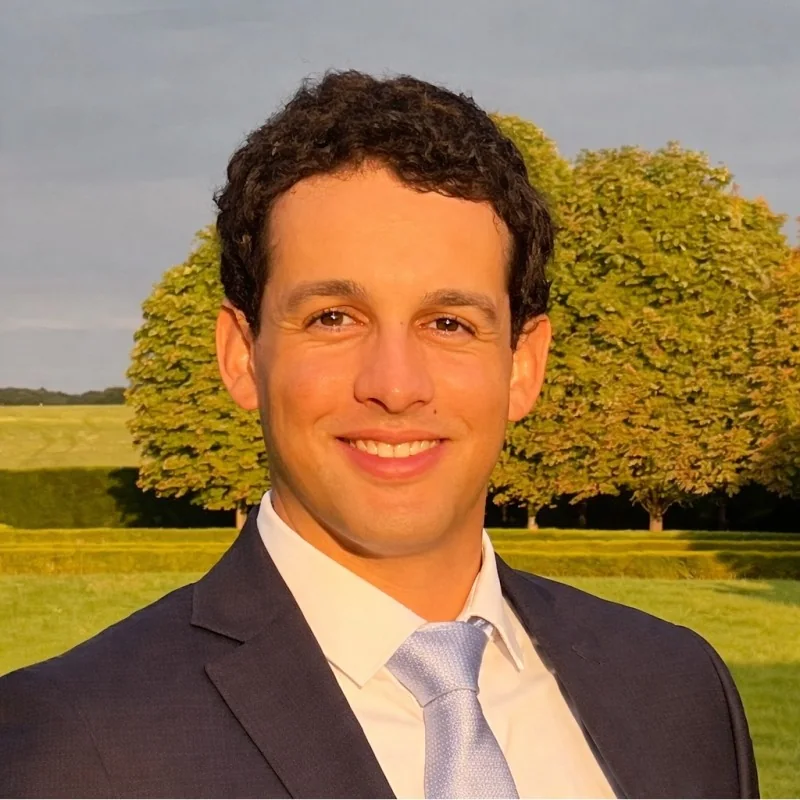
Dr Charles Broutin
Occupational physician · AI lead for the French Society of Occupational Health
01 / Professional background
From occupational medicine to artificial intelligence.
Physician, trainer, author and AI lead
Research, monitoring and knowledge-sharing devoted to AI uses at work.
AGI Strategy · BlueDot Impact
Completed training on systemic risks from AI, their assessment and governance frameworks.
Medical residency thesis · Bossons Futé Prize
Research on using large language models to identify wording defects in occupational physician recommendations.
University diploma in artificial intelligence in health
Additional training to understand models, their uses and limits in health.
Occupational medicine · University of Lille
Clinical and preventive training focused on the links between health, activity and organisation.
02 / Training & approach
Training to broaden my approach to prevention.
AGI Strategy · BlueDot Impact
Strategy

“Occupational health is now also an AI safety issue.”
Preventing the effects of artificial intelligence requires examining individual experience, the organisation of work and the systemic risks that could affect entire populations.
I completed BlueDot Impact’s AGI Strategy course to complement my work on AI-induced psychosocial risks, which had previously focused mainly on effects at the individual worker level.
Broadening the frame without losing sight of real work
Throughout the course, we collectively explored the different pathways through which advanced AI systems could cause harm, the potential scale of their consequences, the fragility of current safeguards and the time available to strengthen them.
Rapid advances in model capabilities and the rise of agents able to coordinate increasingly complex tasks mean that analysis can no longer be confined to the individual workplace, or even to a single organisation. Emerging signals concerning employment, particularly among early-career workers, reinforce the need for vigilance.
This reflection led me to consider these transformations as a potential major public health issue. Worldwide, hundreds of millions of workers could gradually face greater work intensity, increased emotional demands, reduced autonomy, deteriorating workplace relationships, value conflicts or greater employment insecurity.